Your Guide to Eco-Friendly Living
Sustainable Living for a Resilient Future
Empowering communities to embrace the circular economy, maximize energy efficiency, and adopt renewable technologies. From solar power installation to zero-waste composting strategies, we provide the architectural blueprint for a greener, healthier lifestyle.
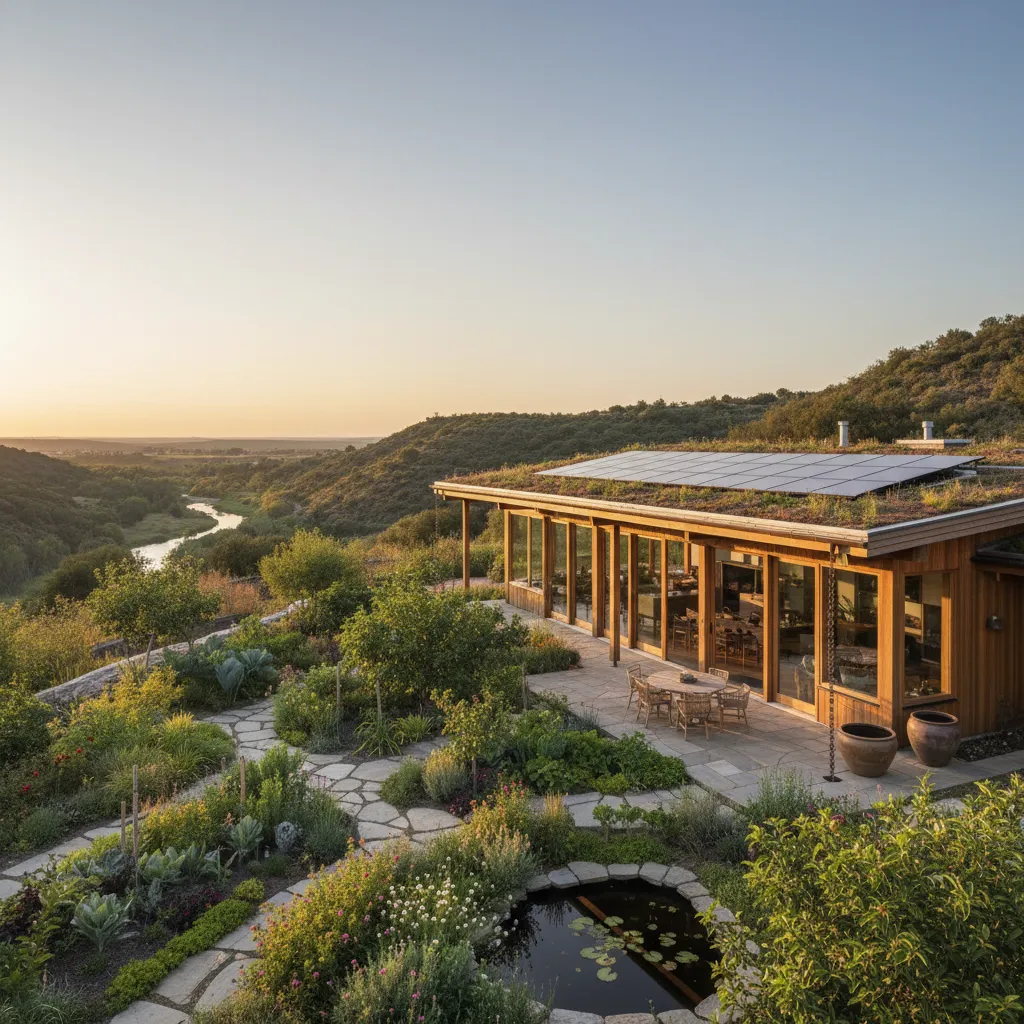
Why We Must Transition to a Circular Economy
The era of the linear economy—where resources are extracted, used, and promptly discarded—is rapidly becoming obsolete. In its place, a robust framework for sustainable living is emerging, driven by the urgent need to address climate change and resource scarcity. At the heart of this transformation is the concept of the Circular Economy, a system designed to eliminate waste and keep products and materials in use for as long as possible. This is not merely an environmental trend; it is a fundamental shift in how we interact with our world, merging economic prudence with ecological stewardship.
Adopting sustainable practices goes beyond simple recycling. It involves a holistic approach to daily life, from the energy we harvest on our rooftops to the way we travel and the food we grow. For homeowners, this means integrating Solar Power and Battery Storage to achieve energy independence, thereby reducing reliance on fossil-fuel-heavy grids. It means reimagining our waste streams through advanced composting techniques that return vital nutrients to the soil rather than sending organic matter to landfills where it generates methane, a potent greenhouse gas.
Furthermore, we embrace the principles of Kaitiakitanga (Guardianship), recognizing our collective responsibility to protect the environment for future generations. Whether it is navigating government incentives for cleaner heating or choosing electric vehicles to reduce urban emissions, every individual action contributes to a larger systemic change. By leveraging smart home technology for water conservation and supporting ethical fashion and consumption, we build communities that are not only resilient to climate shocks but are also healthier and more cost-effective places to live. This platform is dedicated to demystifying these choices, providing expert architectural guidance for your sustainable journey.

Pathways to Sustainability
Comprehensive strategies to reduce your footprint and optimize your lifestyle.
Solar & Energy Independence
Harness the power of the sun to reduce electricity bills and carbon emissions. We guide you through installation costs, battery storage ROI, and government incentives.
Waste Reduction & Circularity
Transform your household waste management. Learn about advanced composting, recycling rules, and how to participate in the circular economy to minimize landfill contribution.
Sustainable Transport
Navigate the transition to Electric Vehicles (EVs). Understand charging infrastructure, clean car rebates, and how sustainable transport reshapes urban living.
Your Roadmap to a Green Home
A strategic three-step approach to lowering your environmental impact while increasing your home’s efficiency and value.
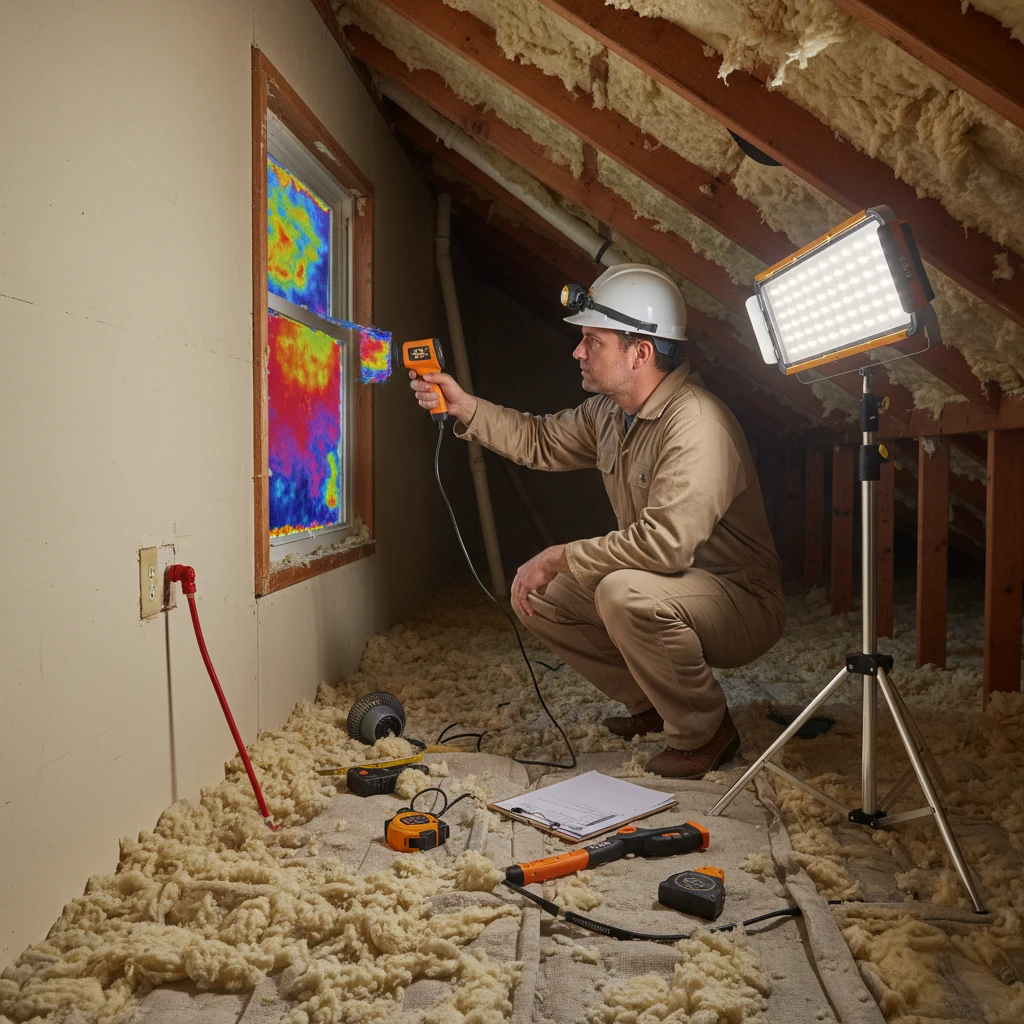
Assess & Audit Efficiency
The first step is understanding your baseline. We recommend conducting a thorough home energy audit to identify heat loss through windows, walls, and ceilings. By utilizing tools like thermal imaging and reviewing water usage patterns, you can pinpoint the most effective upgrades. Learn about heat pumps and insulation grants available to modernize your home’s thermal envelope.

Optimize Habits & Consumption
Sustainability is built on daily habits. Transition to a circular lifestyle by setting up a home composting system to divert food waste from landfills. Adopt smart water management practices, such as rainwater harvesting and greywater reuse. This phase also involves shifting to conscious consumerism—choosing ethical fashion, repairing items, and supporting local circular economy initiatives.
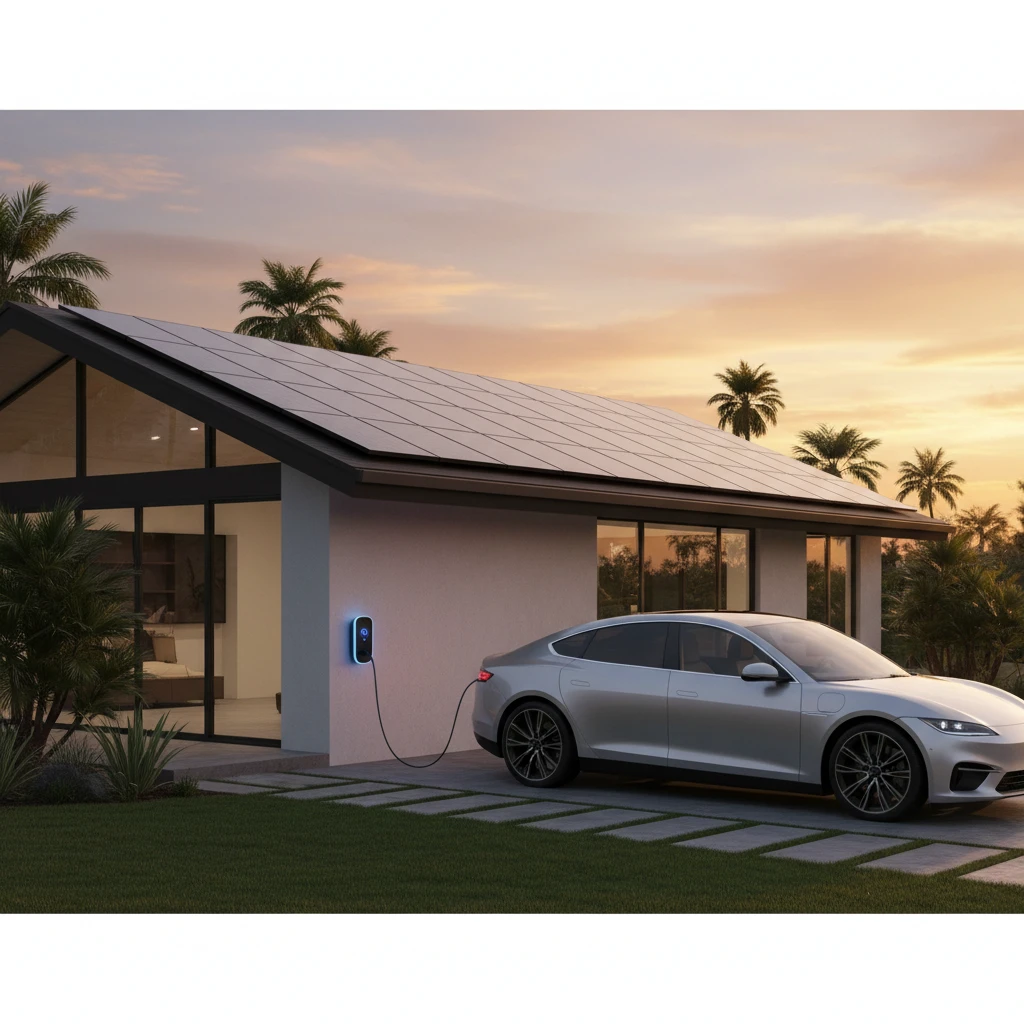
Invest in Renewable Tech
Solidify your sustainable future by investing in renewable technologies. Install solar panels and battery storage systems to maximize self-sufficiency. Switch to an Electric Vehicle (EV) to decarbonize your transport, utilizing government clean car rebates to offset costs. This step turns your home into a net-positive asset for the environment.
Common Questions About Going Green
Is solar power worth the investment in New Zealand’s climate?
▼
▼
Absolutely. Despite variable weather, modern solar panels are highly efficient even on cloudy days. With electricity prices rising, the ROI for solar installations has improved significantly, typically paying off within 7-10 years. Combining solar with battery storage further maximizes self-sufficiency by allowing you to store energy generated during the day for use at night.
What government grants are available for home insulation?
▼
▼
The Warmer Kiwi Homes programme provides grants for insulation and efficient heaters to eligible homeowners. These grants can cover a significant portion of the costs for ceiling and underfloor insulation, as well as heat pumps. Check our guide on Warmer Kiwi Homes Grant Eligibility to see if you qualify.
How does composting help reduce climate change?
▼
▼
When food waste decomposes in a landfill, it lacks oxygen and produces methane, a greenhouse gas 25 times more potent than carbon dioxide. Composting at home allows organic matter to decompose aerobically, preventing methane production and creating nutrient-rich soil that sequesters carbon and supports plant growth.
Are Electric Vehicles (EVs) actually cleaner than petrol cars?
▼
▼
Yes. Even when accounting for battery manufacturing, EVs produce significantly lower lifecycle emissions than internal combustion engine vehicles. In New Zealand, where a large percentage of electricity comes from renewable sources like hydro and geothermal, driving an Electric Vehicle results in an exceptionally low carbon footprint compared to global averages.
What is the Circular Economy?
▼
▼
The circular economy is an economic system aimed at eliminating waste and the continual use of resources. Unlike the traditional linear economy (make, use, dispose), a circular economy keeps resources in use for as long as possible through recycling, repairing, upcycling, and sharing. It creates a closed-loop system that benefits businesses, society, and the environment.
How can I make my rental property more sustainable?
▼
▼
Renters can still make a big impact. Focus on behavioral changes like reducing water usage, using energy-efficient appliances, and reducing plastic waste. You can also advocate for changes with your landlord, such as installing heat pumps or better insulation, which often have tax benefits or grant support for property owners.
Ready to transform your lifestyle?
Join thousands of others building a sustainable future. Explore our comprehensive guides on renewable energy, waste reduction, and ethical living today.